Kelly Brush: A Modern Handwritten Font for Editorial Romance
Choosing the Right Font for a Wedding Guide Layout
While working on a digital wedding guide, I found myself sifting through script fonts that could capture the warmth and intimacy of a love story. That’s when I discovered Kelly Brush—a modern handwritten brush font that brings a touch of sincerity and personality to any editorial layout. It wasn’t just about aesthetics; it was about creating a visual tone that matched the content’s emotional weight.
Visual Character and Editorial Appeal
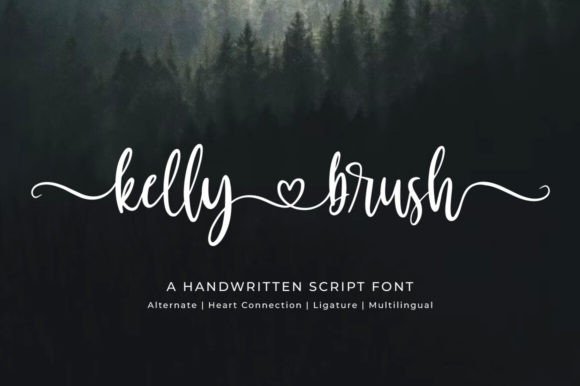
Kelly Brush stands out with its fluid, natural strokes and subtle heart characters that add a gentle decorative flair. The font feels personal, like a handwritten note passed between friends. Its rhythm is soft and flowing, making it ideal for projects that need a human touch—think wedding invitations, greeting cards, or a lifestyle blog’s header.
What struck me most was how well it balanced expressiveness with clarity. Unlike some overly stylized script fonts, Kelly Brush maintains a sense of readability without sacrificing its personality. It has a warm, approachable mood that works especially well in lifestyle and romance-focused content.
Real-World Use in Digital and Print Layouts
I tested Kelly Brush in a few different editorial contexts: a blog header for a wellness newsletter, a pull quote in a digital magazine feature, and as the main title font in a downloadable printable planner. In each case, the font added a softness and intimacy that elevated the design without overshadowing the message.
For the newsletter header, it gave the brand a more personable tone. In the magazine layout, it helped draw attention to a featured quote without being distracting. And in the planner, it brought a sense of warmth and creativity to the title page—perfect for a product aimed at mindfulness and self-care.
Best Use Cases for Kelly Brush
Kelly Brush shines brightest in short-form, attention-grabbing applications:
- Cover titles for digital magazines or ebooks
- Blog headers and logo design
- Wedding invitations and greeting cards
- Pull quotes and chapter openers
- Printable planners and coaching workbooks
It’s a premium font that performs well as a display typeface, especially when used at larger sizes. However, I wouldn’t recommend it for long blocks of body text or small captions. Like most script fonts, its flourishes can become visually dense at smaller sizes or in extended reading formats.
Readability Across Mediums
In testing, I exported layouts using Kelly Brush into PDFs, viewed them on mobile devices, and printed sample pages. The font held up well on screen, especially in web headers and social media graphics. In print, it added a tactile warmth that felt appropriate for wedding guides and boutique-style publications.
Still, care should be taken when using it for digital long-form content. On mobile screens, the font’s delicate strokes can sometimes blur slightly, especially if not optimized for web use. Always check the font’s file formats and rendering clarity before finalizing layouts.
Font Pairing and Design Integration
One of the joys of working with a script font like Kelly Brush is the opportunity to pair it with more structured typefaces. For editorial design, I often paired it with a clean serif font for body copy or a minimalist sans serif font for captions and navigation menus.
This combination helped establish a clear visual hierarchy—using Kelly Brush for headings and a more neutral font for supporting text. It’s a classic design strategy that works especially well in digital magazines, newsletters, and course PDFs where readability and mood must coexist.
Practical Considerations for Content Creators
Before incorporating Kelly Brush into your next project, it’s worth checking the font’s full feature set. Look for alternate characters, ligatures, and multilingual support if you’re designing for a global audience. Also, verify the font’s licensing terms—especially if you’re embedding it in a paid template, ebook, or client publication.
As with any premium font, ensure it’s compatible with your chosen design tools and export formats. Many modern design platforms support web fonts, but some PDF generators or print services may require specific file types like OTF or TTF.